Coming October 2026
Discover the Littératie IV collection by Myosotis Presse:
great learning experiences worthy of the good dog that Duke is!

Discover the Littératie IV collection by Myosotis Presse:
great learning experiences worthy of the good dog that Duke is!
The collection was designed to meet school curriculum requirements:

The Illustrated Dictionary of French as a Foreign Language/Second Languageis intended for young adults and adults whose mother tongue is not French but who have chosen to learn French as a foreign language, second language or host language (francization).
This unique model adopted by the Illustrated Dictionary of French as a Foreign Language/Second Language, is borrowed from the Myosotis dictionary, whose success in Canada confirms the interest in a reference tool focused on learning.
Author: Clément Beaudoin
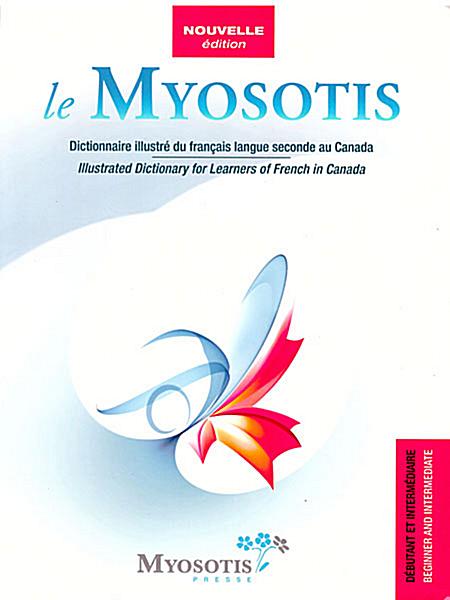
New Edition
The first FSL dictionary entirely developed in Canada.
Designed for 9 to 15 year old learners of French.
| → | over 11 000 entries |
| → | 13 000 sample sentences with their English equivalent |
| → | comprehensive English-French index |
| → | grammatical agreements |
| → | conjugation keys |
| → | about 1500 synonyms and antonyms |
| → | 37 grammar charts |
| → | 331 language notes |
| → | 84 cultural vignettes |
| → | over 300 illustrated words and picture pages in colour |
Author: Clément Beaudoin
To mark the 100 000th copy of the CLÉ, a third edition uses the same innovative formula that was acclaimed throughout the Francophonie for over 30 years.
Author: Clément Beaudoin
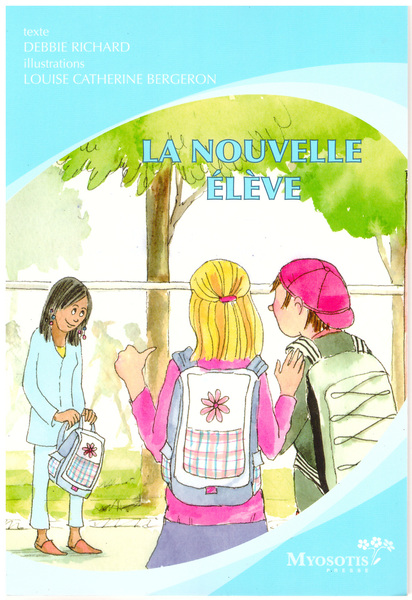
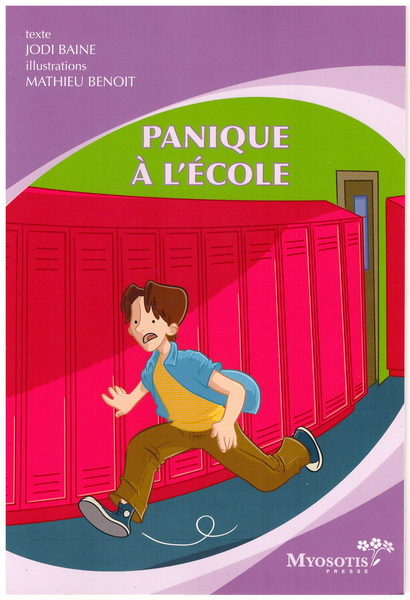
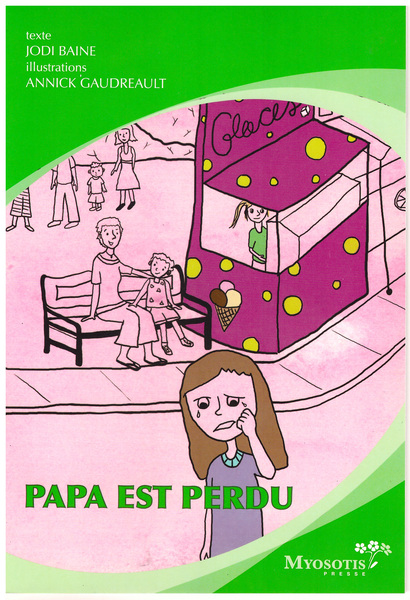
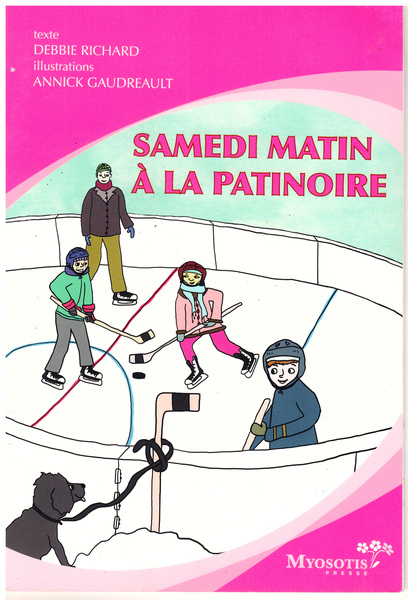
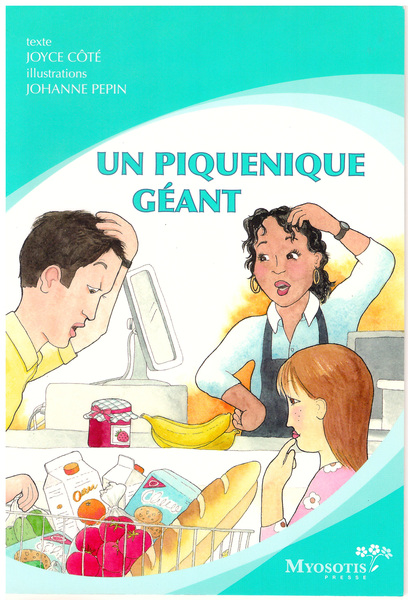
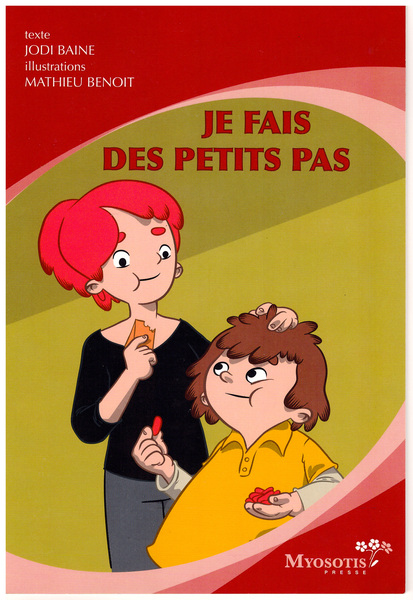
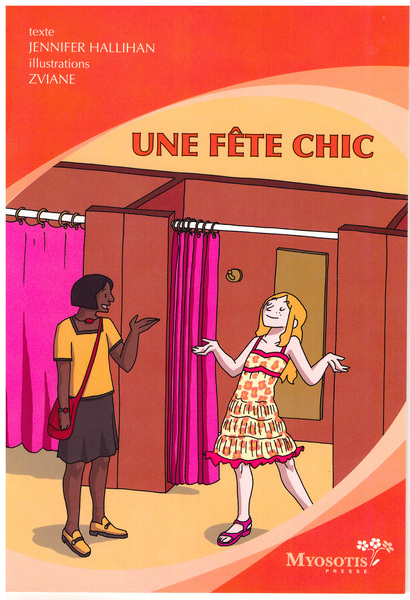
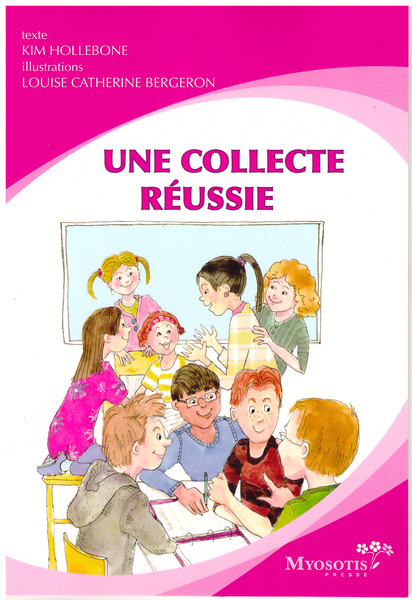
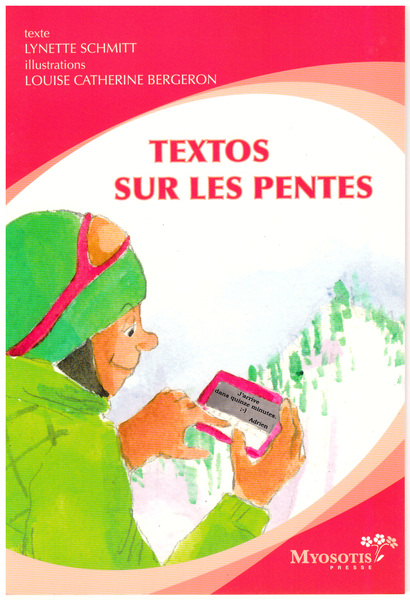
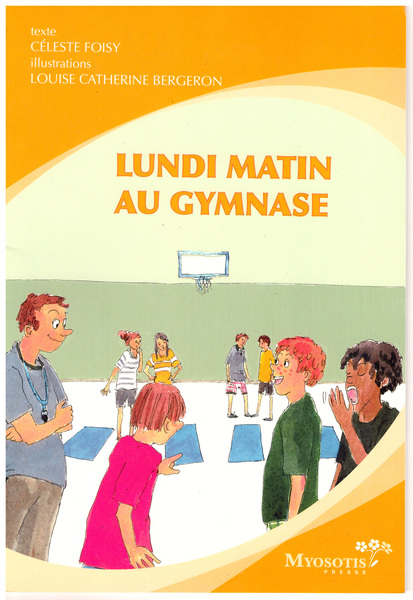
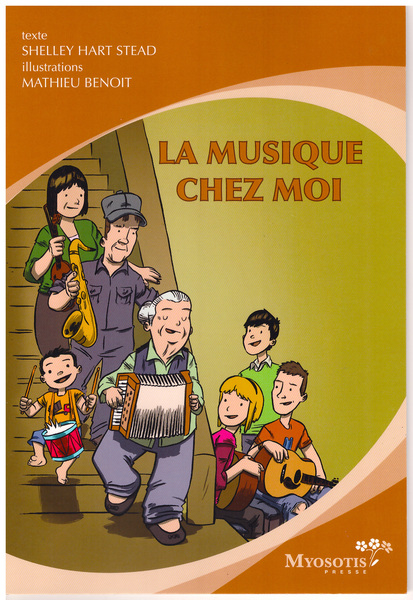
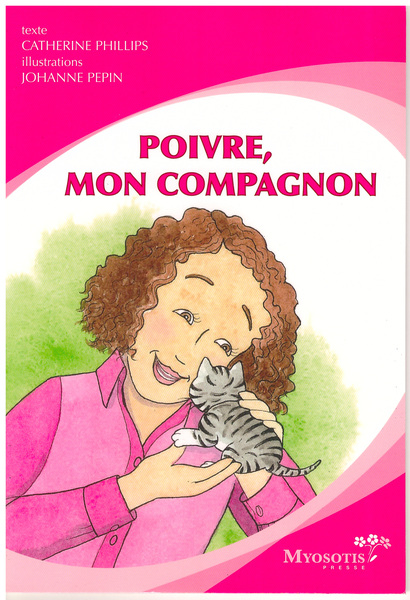
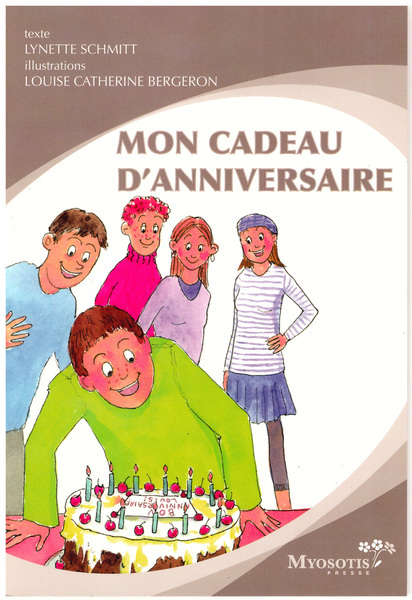
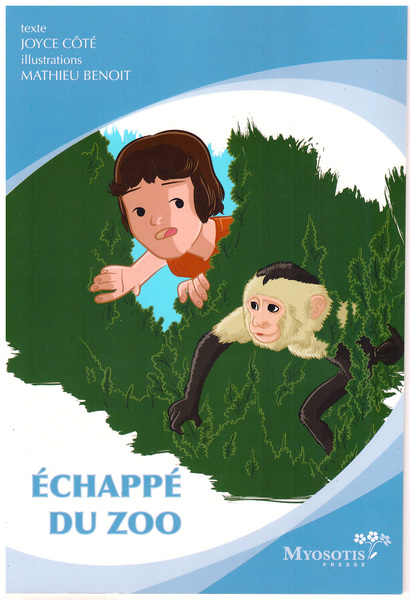
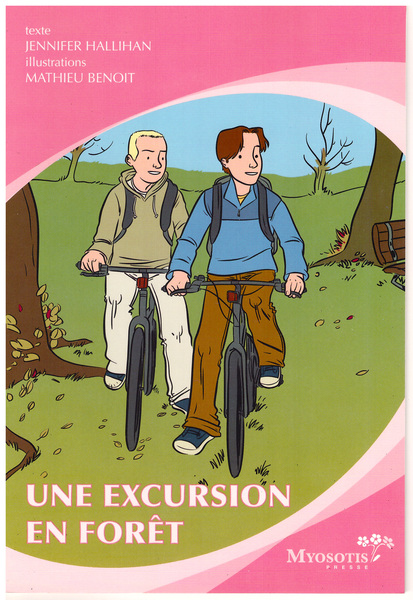
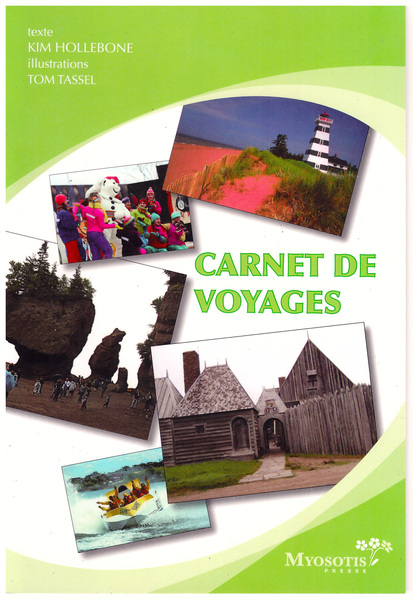
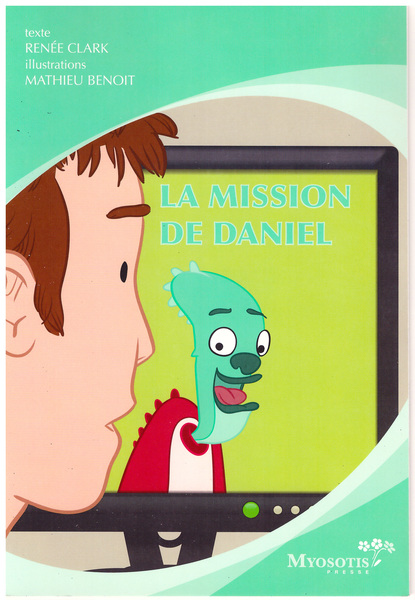
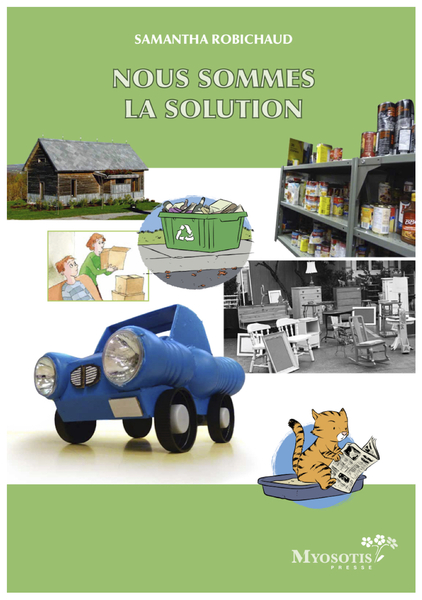
18 readers designed for 9-12 year old FSL students
Written by experienced French teachers from across Canada, for Core and Intensive French students.
Edited by Claude Germain and Joan Netten, designers of the Intensive French program.
Based on a conception of literacy specific to the second-language learning, i.e. to READ is to recognize in print what can already be SAID in the language.
The readers in the Collection Littératie I of Myosotis Presse will enable teachers…
NEW
All the books in the Collection Littératie I of Myosotis Presse can now be accompanied by a Narrated Package (audio and video). See Audio/video Narrated Packages below.
The readers in the Collection Littératie I of Myosotis Presse…
For each reader, a Teaching Package is available and includes:
un guide d’enseignement avec les stratégies d’enseignement de la lecture de l’Approche Neurolinguistique
un livre papier
des images de contextualisation reproduisant les images-clés du livre
un livre numérique projetable sans texte
un livre numérique projetable avec texte
For information → The Teaching Package includes:
For each reader, a Narrated Package* is available and includes:
a dramatized version read out loud in MP4 format with sound effects
a pedagogical karaoke version in MP4 format with sound effects
MP3 audios which correspond to the two MP4 versions
*This product is sold under a classroom license.
Contact us: info@myosotis.ca
6 readers designed for 12-15 year old FSL students
The readers of the Collection Littératie II of Myosotis Presse are written by experienced French teachers, for 12-to-15 year old FSL students : Immersion, Extended French and Post-Intensive French.
Edited by Claude Germain and Joan Netten, designers of the Intensive French program.
Based on a conception of literacy specific to the second-language learning.
The readers in the Collection Littératie II of Myosotis Presse will enable teachers…
NEW
All the books in the Collection Littératie II of Myosotis Presse can now be accompanied by a Narrated Package (audio and video). See Audio/video Narrated Packages below.
The readers in the Collection Littératie II of Myosotis Presse…
For each reader, a Teaching Package is available and includes:
un guide d’enseignement avec les stratégies d’enseignement de la lecture de l’Approche Neurolinguistique
a printed copy of the reader
images of contextualisation reproducing the key pictures of the book
a projectable digital reader with the text
For information → The Teaching Package includes:
For each reader, a Narrated Package* is available and includes:
a dramatized version read out loud in MP4 format with sound effects
a pedagogical karaoke version in MP4 format with sound effects
MP3 audios which correspond to the two MP4 versions
*This product is sold under a classroom license.
Contact us: info@myosotis.ca
6 readers designed for 12-18 year old FSL students
The readers in the Littératie III collection are written for students aged 12 to 18 by experienced French teachers trained in the Neurolinguistic Approach to language teaching.
Edited by Olivier Massé, Steeve Mercier, and Joan Netten.
Based on a conception of literacy specific to the second-language learning.
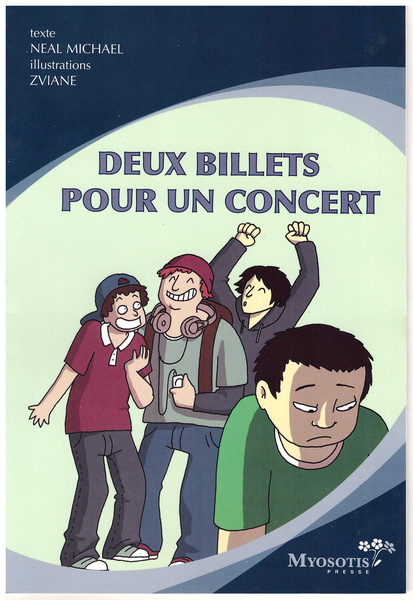
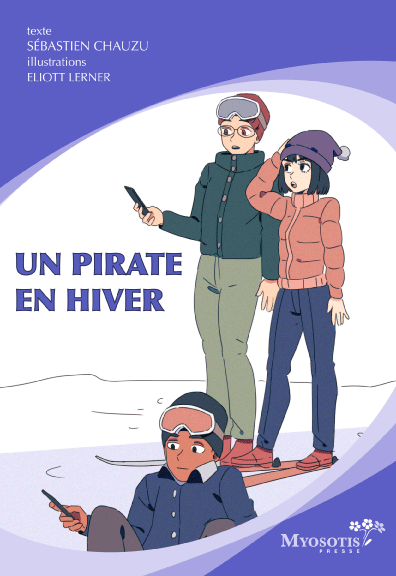
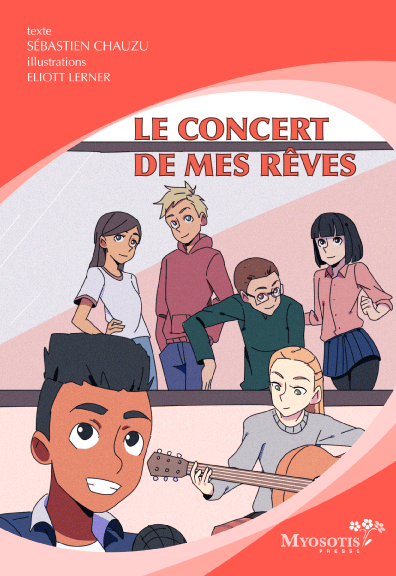
The Littératie III collection follows the Littératie I & II collections offered to young readers by Myosotis Presse. It features six engaging and educational readers for French as a second/foreign language learners.
The characters, classmates from diverse cultural backgrounds, experience all sorts of adventures and face challenges common to most teenagers, allowing young readers to easily relate to them.
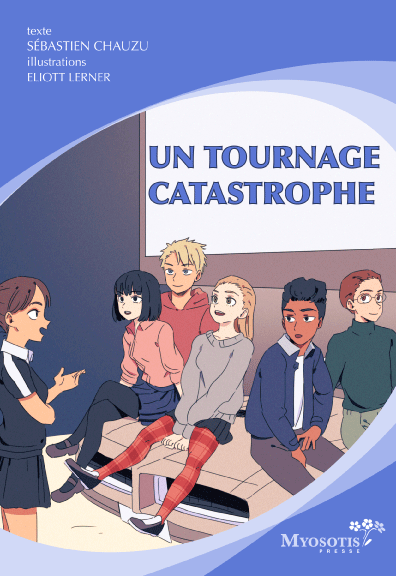
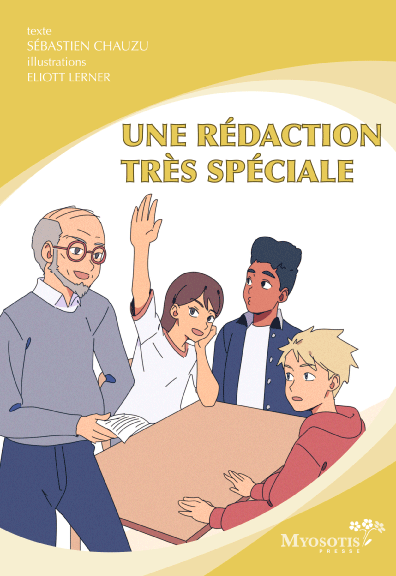
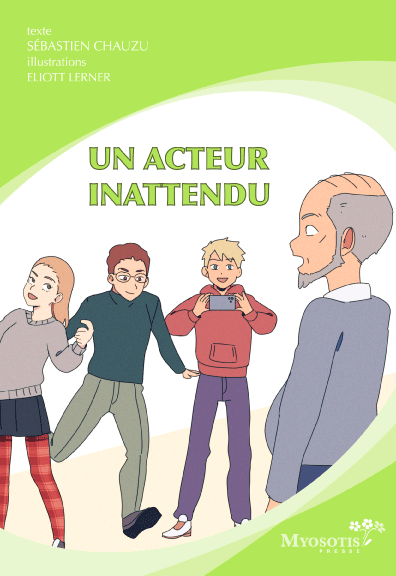
The topics addressed, such as music, technology, friendship, and romantic relationships, resonate with today’s youth while emotionally and cognitively engaging readers through the narrative. The same goes for the illustrations, which aesthetically draw inspiration from the manga style—highly popular among teenagers.
By observing the characters’ expressions and gestures, students learn to decode both verbal and non-verbal messages. The texts, carefully written by experienced teachers who have worked with teenagers for many years, were crafted to meet their specific needs. In addition to meeting curriculum requirements, these texts feature a range of language registers: in dialogues, the teenagers speak in an informal tone punctuated by slang typical of their peer group, while the descriptive passages use a more formal register necessary for academic learning.
These intermediate reading tools were designed to be used in class at any level, provided the teacher wishes to apply the teaching strategies of the Neurolinguistic Approach (NLA) to language teaching. Furthermore, the connections between the stories and characters—which readers will find across all six volumes—give teachers ample opportunity to recycle content and stimulate their learners’ memory.
The readers in the Collection Littératie III of Myosotis Presse…
For each reader, a Teaching Package is available and includes:
un guide d’enseignement avec les stratégies d’enseignement de la lecture de l’Approche Neurolinguistique
un livre papier
des images de contextualisation reproduisant les images-clés du livre
un livre numérique projetable sans texte
un livre numérique projetable avec texte
For information → The Teaching Package includes:
6 readers designed for 12-15 year old FSL students
The readers in the Littératie IV collection are revised for students aged 12 to 15 by experienced French teachers trained in the Neurolinguistic Approach to language teaching.
Edited by Steeve Mercier.
Based on a conception of literacy specific to the second-language learning.
The Littératie IV collection follows the Littératie I, II & III collections offered to young readers by Myosotis Presse. It features six engaging and educational readers for French as a second/foreign language learners.
Discover great learning moments told from the perspective of Duke the dog!
Take your students on a journey through the endearing world of Duke, an adorable black Labrador who sensitively shares his daily life and inspiring role as a therapy dog. Tailor-made for tweens and young teens, this wonderful collection is ideal for both Francophone classrooms and French Immersion programs (Grade 7 and 8, A2+ level).
Written by Anne Belliveau-Leblanc under the direction of Steeve Mercier, the six books in this collection deal with concrete, current, and meaningful topics using a refined, accessible approach: emotional management, perseverance, comfort, respect for nature, as well as physical and psychological health.
Beyond a captivating story, the collection offers an innovative pedagogical design focused on the joy of learning and discussion. Written using recommended spelling, the text has been meticulously crafted to maximize readability: the layout preserves word-group integrity at line breaks to maintain the reader’s natural pace, while rhyming games bring rhythm, musicality, and fluidity to the text. Additionally, the experience is enriched by real photographs and access to exclusive video clips that immerse young readers in the real world.
It is an ideal collection to foster a love of reading, reinforce reading skills, and fuel classroom discussions and projects!
Here is the structured presentation of the six books in the IV Literacy collection featuring Duke. Readers will find, in the following order: a short summary, the moral of the story, the cognitive processes involved, and targeted pedagogical links for Grade 7 and 8 students in Canada.
1. L’adoption de Duke
• Summary:
Separated from a litter in Halifax to be adopted by a new family in New Brunswick, the puppy Duke feels deep anxiety when faced with the loss of his familiar surroundings and routines. Through the establishment of new daily habits and the kindness of his adoptive parents, he comes to realize that change—though intimidating at first—allows for growth and flourishing within a secure environment. Reading about this journey engages the empathy, anxiety inhibition, and cognitive flexibility needed to adapt to a major transition.
• The moral of the story is that change and adapting to a new environment require patience and support, but ultimately lead to personal growth.
• Cognitive processes engaged:
o Cognitive flexibility: adjusting one’s mental schemas and behavior when facing a major change in routine or environment.
o Metacognition: becoming aware of one’s own emotions (anxiety, shyness, sense of security) in order to better regulate them.
• Links to Grade 7 and 8 students (Canada):
o Social-emotional transition and identity: in Grades 7 and 8 (a stage often associated with changing schools, transitioning to high school or middle school), students experience major changes in their social and academic environments, relational insecurities, and a search for belonging.
o Social-emotional learning (Health and Physical Education): provides an opportunity to address stress management when facing the unknown, the need for emotional security, and adaptation to new routines, whether family, social, or academic.
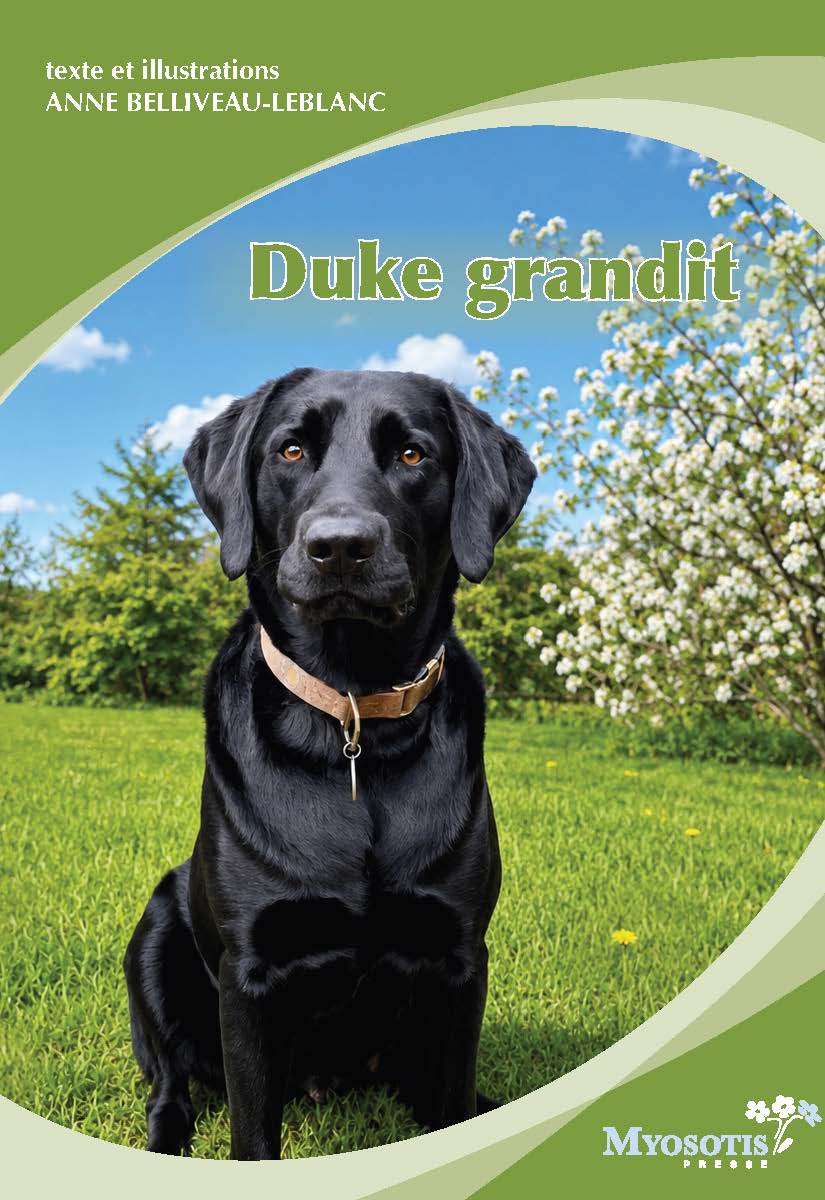
2. Duke grandit
• Summary:
As he grows, Duke experiences rapid changes in his body and discovers the extraordinary capabilities of his senses, as well as his physical Labrador traits. This adventure demonstrates that every individual develops at their own pace, and that one must learn to accept their strengths as well as their clumsiness or moments of impatience. The text stimulates metacognition (self-monitoring of one’s transformations), categorical comparison, and impulse self-regulation.
• The moral of the story shows that growing up involves accepting changes in one’s body while learning to master one’s strength with maturity.
• Cognitive processes engaged:
o Sensory integration and perception: decoding, comparing, and categorizing environmental input (hearing, smell, panoramic vision).
o Self-regulation: channeling energy and managing impatience during frustrating situations.
• Links to Grade 7 and 8 students (Canada):
o Pubertal changes (Science and Technology / Health): in Grades 7 and 8, students experience significant physical and emotional changes, including growth spurts, bodily transformations, and an increased need for autonomy.
o Anatomy and adaptation of living things: makes direct connections to the science curriculum (living body systems, biological adaptation structures such as webbed paws or a double coat).
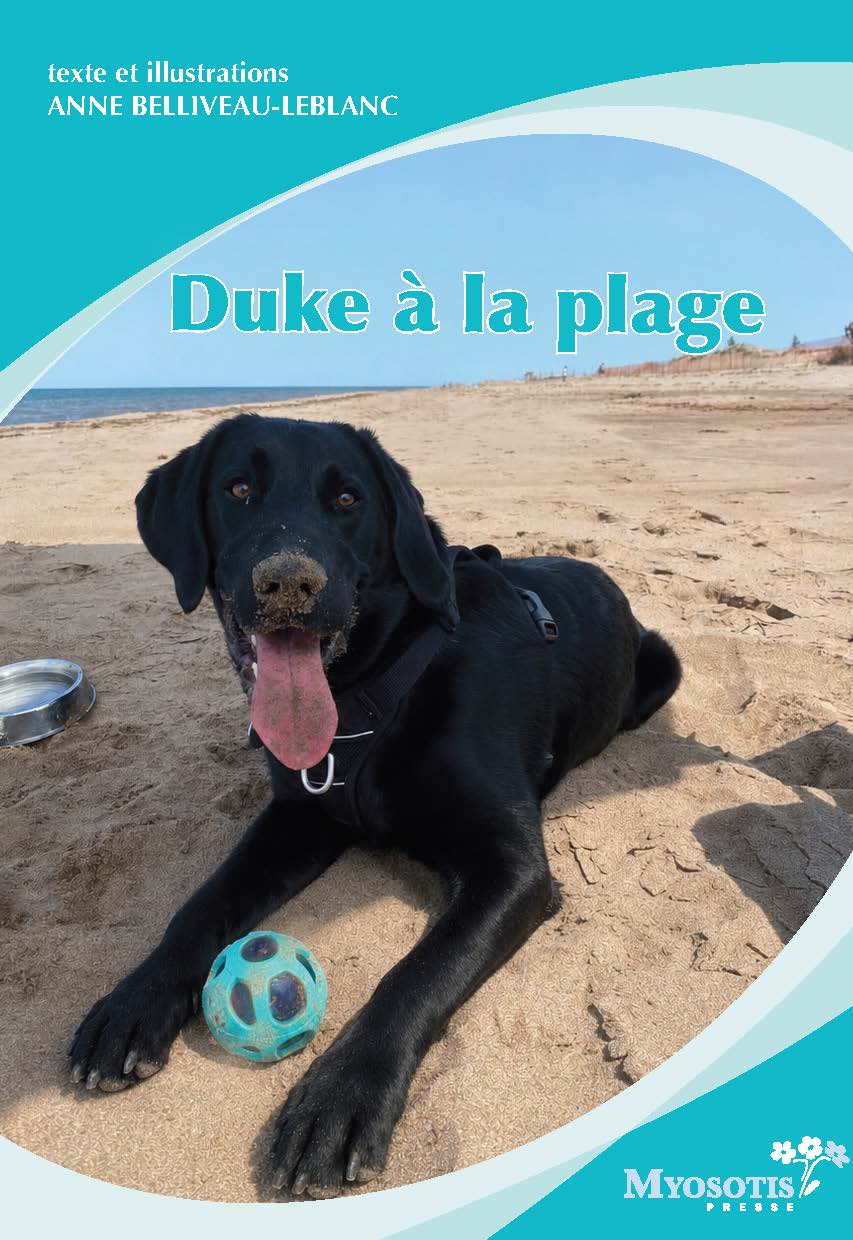
3. Duke à la plage
• Summary:
Having gone to the beach with his parents on a hot summer day, Duke explores marine life and survives a big scare on a boat. The story serves as a reminder of the importance of respecting nature’s fragility while exercising caution around water hazards and reckless behavior. Duke’s journey stimulates attentional flexibility, risk assessment, and environmental scientific thinking.
• The moral of the story serves as a reminder that we must respect nature and the environment while exercising caution during recreational activities.
• Cognitive processes engaged:
o Critical thinking: analyzing one’s environment to distinguish safe curiosity from real risk (toxic jellyfish, deep holes, boat collision).
o Selective attention: filtering the multitude of environmental stimuli (sea smells, wave sounds, presence of animals) to focus on the safety instructions given by the owners.
• Links to Grade 7 and 8 students (Canada):
o Marine conservation and ecology (Science): directly addresses the ecological roles of marine organisms (hermit crabs, jellyfish, sand dollars), as well as the crucial role of algae in life on Earth (major oxygen producers) and the fragility of marine ecosystems.
o Safety, risk-taking, and citizenship (Health and Safety): addresses essential life skills for adolescents, such as nautical safety (wearing a life jacket), panic management during unexpected events, and awareness of ocean protection.
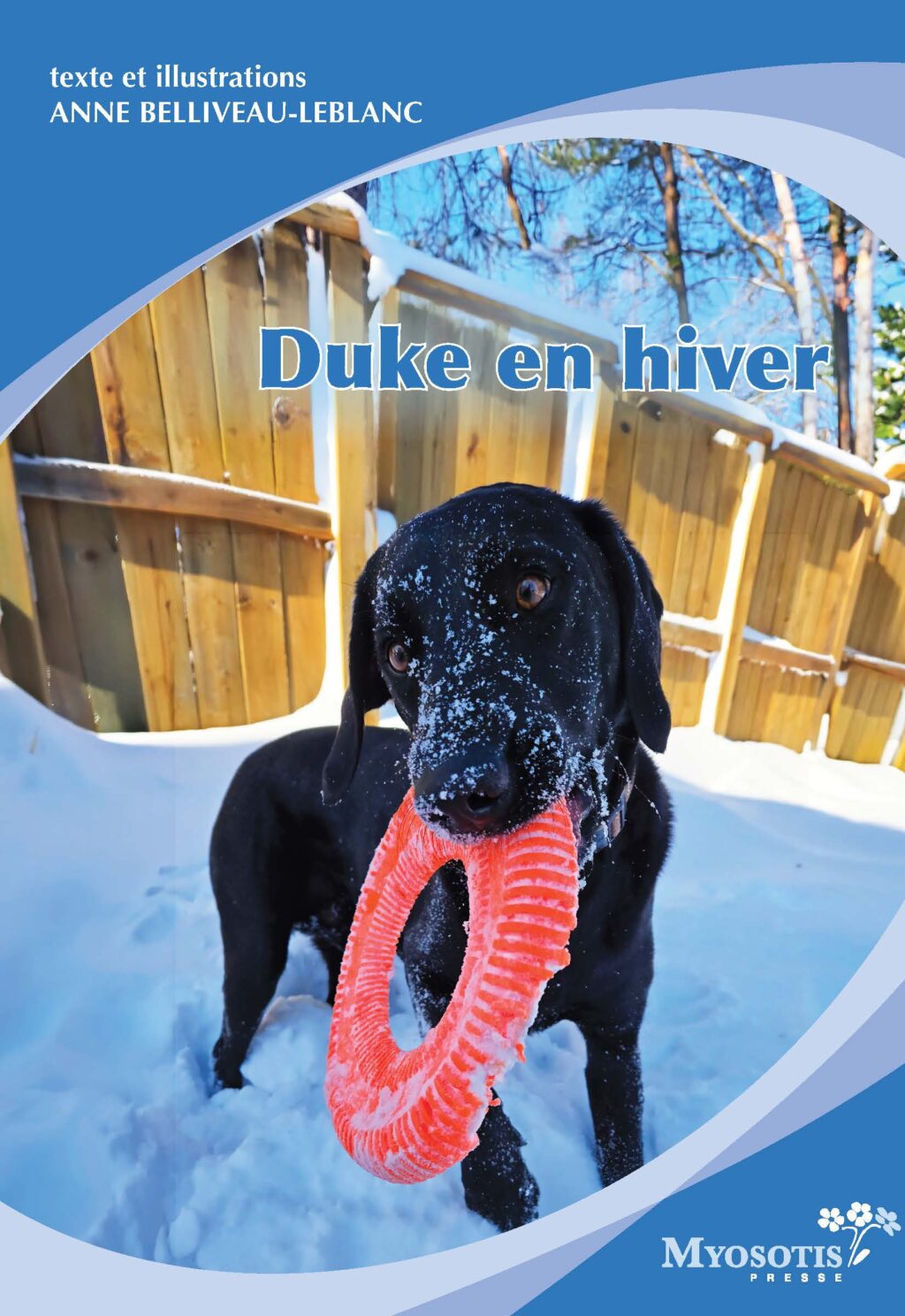
4. Duke en hiver
• Summary:
Through the storms and snowy explorations of his favorite season, Duke discovers how the body adapts to the cold. He uses his sense of smell and instincts to uncover hidden objects and observe tracks left by wild animals in the forest. This story engages logical deduction, working memory (associating scents/prints with prior knowledge), and scientific reasoning.
• The moral of the story emphasizes the importance of embracing the wonders of nature with curiosity and persevering in the face of intellectual or physical challenges.
• Cognitive processes engaged:
o Inductive reasoning and deduction: analyzing visual and olfactory clues (hare, fox, raccoon tracks) to deduce an unseen reality.
o Working memory: associating prior knowledge (ancestral stories, ice formation) with real-time observations.
• Links to Grade 7 and 8 students (Canada):
o Earth and Space Science and Ecology (Science and Technology): aligns with the Canadian science curriculum on the study of local ecosystems, Canadian wildlife (deer, hare, fox), the food chain, and states of matter (snowflake and icicle formation).
o Canadian identity and geography (Social Studies): values Canada’s northern character, the history of Canadian breeds (St. John’s water dogs of Newfoundland and Labrador), and the importance of outdoor physical activity in winter.
5. Duke au travail
• Summary:
Having become a certified therapy dog after rigorous training, Duke accompanies his owner, who is a social worker, to a school to offer comfort to students in difficulty. The story highlights the moral that Duke and his owner have the power to transform the day of someone who is suffering. The book engages theory of mind (understanding students’ perspectives and emotions), decoding non-verbal communication, and sustained attention.
• The moral of the story is that everyone possesses unique qualities that, when put in the service of others, allow them to bring comfort and make a positive difference.
• Cognitive processes engaged:
o Empathy and theory of mind: decoding facial expressions, body language, and the emotional state of others to adjust one’s own behavior.
o Sustained attention and executive functions: maintaining concentration on a complex task despite distractions in the school environment.
• Links to Grade 7 and 8 students (Canada):
o Mental health and emotional regulation (Social-Emotional Learning): explicitly addresses key middle school topics (anxiety, anger, sadness, shyness, peer pressure, and interpersonal conflict). The story also presents simple strategies for recognizing and regulating one’s emotions.
o Community roles and empathy (Social Studies): raises awareness about helping professions (social work, animal-assisted therapy) and promotes an inclusive school climate based on empathy, active listening, and peaceful conflict resolution (e.g., using “I” statements instead of “you” statements).
6. Duke à l’hôpital
• Summary:
Confronted with an ear infection and then the accidental ingestion of a razor blade, Duke must go through difficult moments, face his fears, and undergo emergency surgery at the veterinary hospital. The story teaches that facing one’s fears, accepting help from professionals, and appreciating the unconditional support of loved ones allows one to emerge stronger. Exploring Duke’s reactions engages inhibitory control (managing panic and pain), emotional regulation, and problem-solving in a crisis situation.
• The moral of the story teaches that caution is essential in the face of invisible dangers and that courage consists in accepting help from others to overcome trials.
• Cognitive processes engaged:
o Inhibitory control (self-control): suppressing impulses (refraining from licking, remaining still despite the desire to play during recovery).
o Problem-solving and inference: evaluating the consequences of an impulsive action and understanding the causal chain (ingesting an object ➔ pain ➔ surgery).
• Links to Grade 7 and 8 students (Canada):
o Crisis management and decision-making (Science / Health): students of this age are encouraged to reflect on the consequences of their choices and the dangers associated with impulsive or reckless behavior. The story concretely demonstrates how an imprudent action can have significant consequences and highlights the importance of caution.
o Emotional resilience: addresses the capacity to seek help from trusted adults (parents, specialists) during a physical or psychological ordeal. The story also introduces students to certain medical treatments and care, such as antibiotics, X-rays, and postoperative care.





My daughter and her partner adopted Duke, a very endearing little dog, at a time when I really needed it, as I was trying to recover from long COVID.
Since my daughter and her partner were very busy with their respective jobs, I offered to dog-sit Duke, having no idea how much he would transform my daily life. I had never really experienced life with a pet before, and a very strong bond quickly developed between us.
Duke taught me to slow down, live in the present moment, enjoy nature, and get outdoors more often. He helped me rediscover a sense of joy in life’s simple things. He was by my side through the happiest moments as well as the most difficult ones. Through his presence, he brought me comfort and also made me laugh a lot, as he is very funny.
When I was a high school nurse in New Brunswick, I witnessed the benefits of therapy dogs for young people who experience anxiety or struggle to regulate their emotions. These dogs also help youth who aren’t necessarily facing daily challenges, but simply feel the need for comfort at a certain point in their lives.
This collection was born out of this precious bond with Duke and the desire to share with everyone the gentleness, love, and benefits that animals can bring to our well-being. It tells real-life stories experienced by Duke, and the illustrations featured are actual photographs taken from his daily life, making this collection authentic, touching, and engaging.
The readers in the Collection Littératie IV of Myosotis Presse…
Coming soon
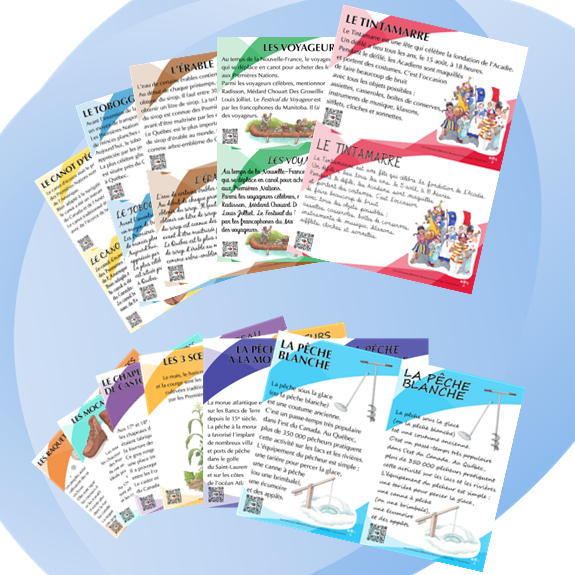
The Collection of Educational Posters by Myosotis serve to enrich classrooms in a useful, intelligent and inspiring way. They promote an awakening to First Nations’ and North American Francophones’ cultures and guide literacy development: the capacity to speak, read, write and to foster a critical sense before the rich and complex world which surrounds us.
Taken from the cultural capsules found in le Myosotis Dictionary, the 11 posters of the collection measure 12 X 18 inches (30,48 cm x 45.72 cm) and are double-sided. On one side, they are in a print font, while the other side is in cursive writing.
They also come with a pedagogical set containing suggested activities and MP3 audio files (different voices with pedagogical and natural accent) to download (for this, contact us at info@myosotis.ca).
– L’érable à sucre:
Background color: brown
Themes: food, First Nations, French colonization, emblem
Text: L’eau de certains érables contient de 2 à 5 % de sucre. Au début de chaque printemps, on fait bouillir cette eau pour obtenir du sirop. Il faut entre 30 et 45 litres d’eau d’érable pour obtenir un litre de sirop. La technique de fabrication du sirop est connue des Amérindiens avant d’être maîtrisée par les colons français. Le Québec est le plus important producteur de sirop d’érable au monde. L’érable est reconnu comme arbre-emblème du Canada depuis 1996.
– La pêche à la morue:
Background color: purple
Themes: fishing, food, French colonization
Text: La morue atlantique est pêchée sur les Bancs de Terre-Neuve depuis le 15e siècle. La pêche à la morue a favorisé l’implantation de nombreux villages et ports de pêche, dans le golfe du Saint-Laurent et sur les côtes de l’océan Atlantique.
– Le canot d’écorce:
Background color: blue
Themes: leisure, sports, outdoors, transportation, First Nations
Text: Le canot d’écorce était le principal moyen de transport des Amérindiens nomades et des trappeurs du nord de l’Amérique. Bien adapté à la navigation sur les rivières et les lacs, le canot a été un instrument essentiel à l’exploration du Canada et de l’Amérique du Nord. Le canot traditionnel était fabriqué avec de l’écorce de bouleau.
– Le chapeau de castor:
Background color: green
Themes: animal, clothing, French colonization, emblem
Text: Aux 17e et 18e siècles, les chapeaux de feutre étaient fabriqués avec la fourrure des castors. Ce gros rongeur occupait une place importante dans l’économie. Il a provoqué de grandes rivalités entre les Français et les Anglais. Le castor est l’animal-emblème du Canada.
– Les raquettes:
Background color: orange
Themes: leisure, sports, outdoors, transportation, First Nations, French colonization
Text: Les peuples amérindiens du Canada utilisaient des raquettes pour voyager en hiver. Elles sont rapidement adoptées par les coureurs des bois et les travailleurs de la forêt. Il existe plusieurs types de raquettes, dont la forme varie selon les conditions de neige. La raquette est devenue un sport très populaire au 19e siècle.
– Le Tintamarre:
Background color: red
Themes: celebration, outdoors, clothing, settler, emblem
Text: Le Tintamarre est une fête qui célèbre la fondation de l’Acadie. Un défilé a lieu tous les ans, le 15 août, à 18 heures. Pendant le défilé, les Acadiens sont maquillés et portent des costumes. C’est l’occasion de faire beaucoup de bruit avec tous les objets possibles : assiettes, casseroles, boîtes de conserves, instruments de musique, klaxons, sifflets, cloches et sonnettes.
– La pêche blanche:
Background color: purple
Themes: leisure, outing, fishing, food
Text: La pêche sous la glace (ou la pêche blanche) est une coutume ancienne. C’est un passe-temps très populaire dans l’est du Canada. Au Québec, plus de 350 000 pêcheurs pratiquent cette activité sur les lacs et les rivières. L’équipement du pêcheur est simple : une tarière pour percer la glace, une canne à pêche (ou une brimbale), une écumoire et des appâts.
– Le toboggan:
Background color: blue
Themes: leisure, transportation, First Nations
Text: Avant l’invention de la motoneige, le toboggan était un moyen de transport des marchandises et des personnes. Les autochtones fabriquaient le toboggan à partir de minces planches de bouleau recourbées. Aujourd’hui, le toboggan est une activité appréciée par les jeunes de tous les âges. La plus célèbre glissade de toboggan est située près du Château Frontenac à Québec.
– Les 3 soeurs:
Background color: orange
Themes: agriculture, food, First Nations
Text: Le maïs, le haricot grimpant et la courge sont les « trois sœurs » cultivées traditionnellement par les Amérindiens.
– Les mocassins:
Background color: red
Themes: clothing, First Nations, French colonization, transportation
Text: Les mocassins sont les chaussures traditionnelles des Amérindiens. Ils ont une semelle souple, idéale pour la marche en forêt et la raquette. Au 17e siècle, les mocassins sont adoptés par les voyageurs et les colons canadiens-français.
– Les voyageurs:
Background color: green
Themes: travel, Amerindian, Indigenous person, settler, festival
Text: Au temps de la Nouvelle-France, le voyageur est un aventurier qui se déplace en canot pour acheter des fourrures aux Amérindiens. Parmi les voyageurs célèbres, mentionnons Pierre-Esprit Radisson, Médard Chouart Des Groseilliers, Jean Nicolet et Louis Jolliet. Le Festival du Voyageur est organisé tous les ans par les francophones du Manitoba. Il fait revivre l’époque des voyageurs.
Compared to the “laser pointer”, the wand (whether it is a wooden or metal rod) has a definite advantage for teaching reading. It is not simply used to indicate where to look at an area or element, but it also makes it possible – and above all – to facilitate the teacher’s work by helping the learner to associate the relationships between sounds and the graphic signs that represent them.
Since reading requires a path of the eye on a graphic line, the rigid rod makes it possible to follow much better, with the guidance of the hand rather than with a laser, the unfolding of the signs that must be correlated to the voice.
A free pedagogical sheet is available in PDF format. Click here to download it.
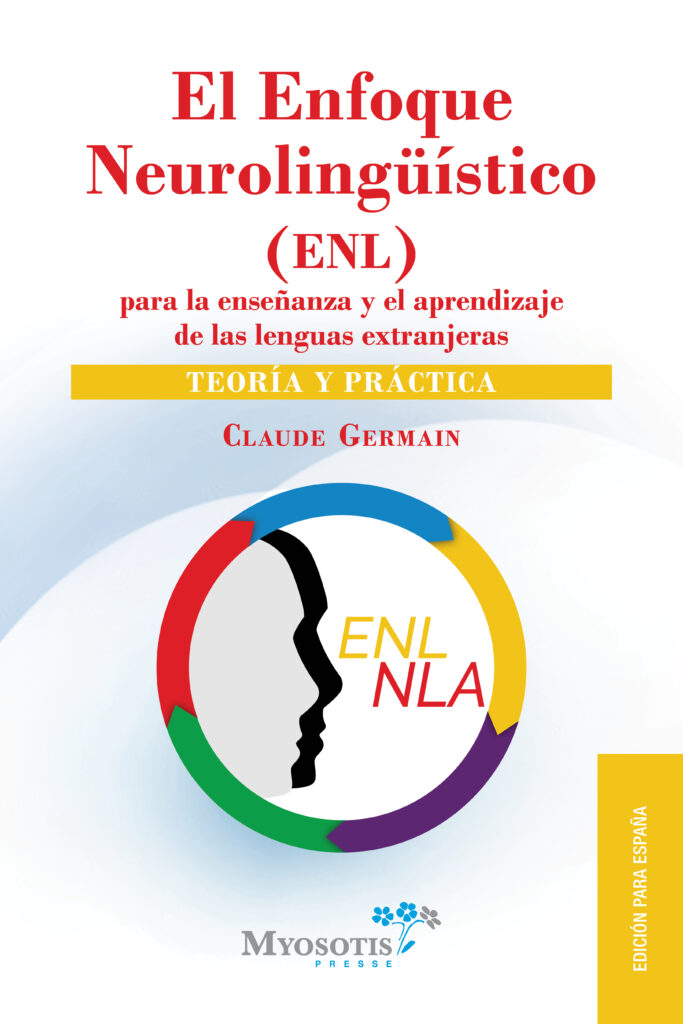
Indispensable reading and reference work for all practitioners of the Neurolinguistic Approach (NLA), this book by Claude Germain, co-founder of the NLA, answers most of the questions that FSL / FLE teachers are asking about this approach.
The Neurolinguistic Approach(NLA), known in Canada as Intensive French, celebrates its 20th anniversary. In order to mark this special event, Dr Claude Germain, author of NLA with Dr Joan Netten, publishes a popular scientific work in which he presents the founding principles of a new paradigm, which already has an important impact on second language education. It is geared towards actual and future second or foreign language teachers, and specialists in second language education. The book is written in a FAQ format in order to answer the most frequently asked questions in NLA teacher training sessions.
Already adopted in several countries in Asia, Europe and America, the ANL, thanks to its foundations in cognitive neurosciences, constitutes a major contribution to the evolution of language learning / teaching.
Author: Claude Germain